
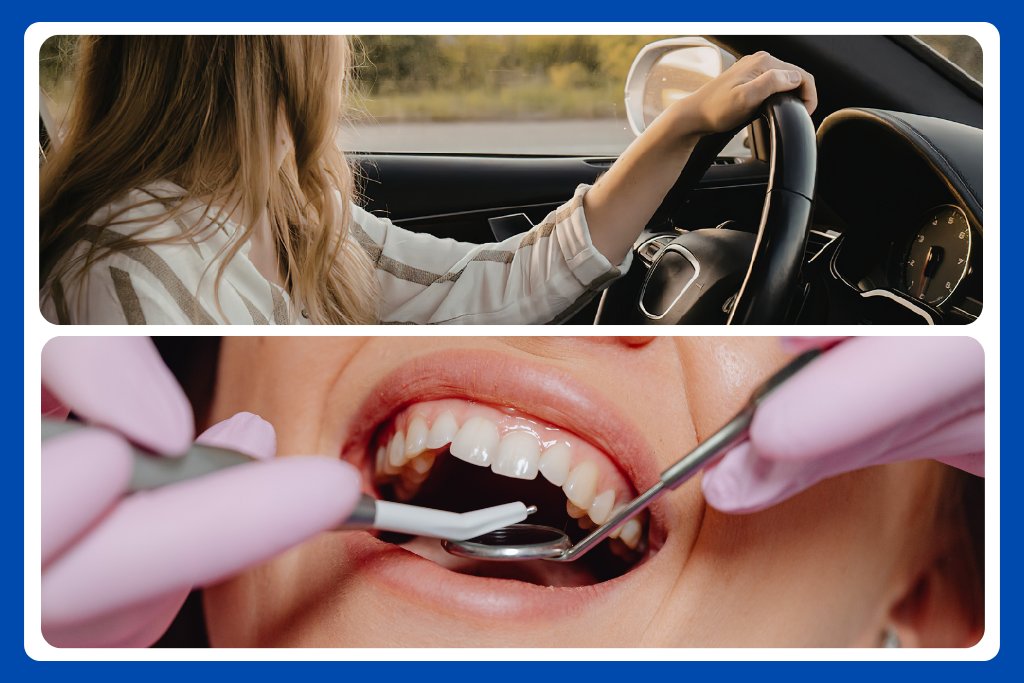
Is It Safe to Drive After Getting Dental Implants?
When patients ask if it is safe to drive after getting dental implants, the answer depends on several important factors related to dental implant surgery, your level of recovery, and how your body responds while healing your mouth. While replacing missing teeth is a routine and effective procedure, your ability to safely drive afterward is influenced by anesthesia, sedation, and proper post-operative care.
If you’re undergoing dental implant surgery, planning ahead for how you’ll drive home is essential for a safe post-operative experience.
Understanding the Effects of Sedation and Anesthesia
Local Anesthesia
During many procedures, local anesthesia is used. It numbs the surgical site, allowing patients to remain awake and alert. In most cases, local anesthesia allows patients to remain awake, which means some individuals may feel capable of driving.
However, even if you’re wondering if you can drive after local anesthesia, it’s important to consider any lingering numbness or discomfort.
IV Sedation and General Anesthesia
With IV sedation or general anesthesia, the situation is very different. These methods affect your alertness, coordination, and reaction time, making it unsafe to drive for at least several hours or even a full day.
If you're thinking about how anesthesia affects your ability to drive, remember that IV sedation affects alertness and coordination, and it is clearly unsafe to drive after general anesthesia.
Sedation can impair motor skills, slow response time, and these functions are critical for driving. Even the lingering effects of medication can be subtle but dangerous. In fact, sedation can impair motor skills, and medication effects can be dangerous for driving.
Factors to Consider Before Driving
1. Anesthetic Effects
Even with local anesthesia, there may be lingering effects like numbness or altered sensation in the mouth and face. Always wait until the effects have subsided.
Experts recommend: wait until numbness subsides before driving, since anesthesia can cause altered sensation.
2. Overall Comfort and Alertness
After a surgical procedure, your body needs time to recover. You may experience mild discomfort, swelling, or drowsiness.
Before driving, make sure you feel comfortable, alert, and fully in control. As a rule, ensure you are alert before operating a vehicle, because drowsiness after surgery affects driving.
Guidelines for Driving After Dental Implant Surgery
- Arrange Transportation: It’s always best to arrange transportation in advance. Ask a friend or family member to drive you home rather than trying to operate a vehicle yourself. This aligns with advice to arrange someone to drive you home, ensuring safe transportation after dental implant surgery.
- Follow Post-Operative Instructions: Your oral surgeon or dentist will provide post-operative instructions, including specific guidelines on driving. Following these ensures a smooth recovery. Always follow post-operative instructions and trust the guidelines provided by oral surgeon.
- Monitor Your Condition: Take time to assess your overall condition. If you feel drowsy, disoriented, or experience discomfort, it’s best to delay driving until you feel more alert. In simple terms: delay driving if you feel drowsy and always assess the condition before driving.
- Avoid Rushing: Give yourself sufficient time to recover. Rushing the recovery process or driving prematurely can compromise safety. It’s always safer to avoid driving prematurely and allow time to recover before driving.
Can You Drive Yourself Home After Dental Implant Surgery?
The simple answer is no, particularly if you have undergone IV sedation or general anesthesia. In these cases, it is strongly advised that you avoid driving entirely after the procedure.
You will need a responsible adult to accompany you and take you home safely. This is part of the standard of care, designed to protect your well-being, especially when prescribed medication may still be affecting your alertness and could impair judgment.
After dental implant surgery, it is always recommended to avoid driving and arrange safe transportation. Consulting an experienced specialist, such as an Implantologist near me Dubai like Dr. Suhail Syed at Dental Hub Clinic, can also help ensure proper guidance and a smooth recovery process.
When Is It Safe to Drive Again?
A return to resuming driving after dental implant surgery is generally recommended only after a minimum waiting period of 24 hours, particularly in cases where sedation or anesthesia has been used during treatment. This timeframe is important because it allows the body to move beyond the immediate effects of medication and begin a stable phase of recovery.
During this early recovery timeline, your alertness, coordination, and response speed may still be affected, even if you feel physically fine. For this reason, most dental professionals emphasize avoiding driving until the effects of anesthesia and post-operative medications have completely worn off.
Factors That Influence Recovery Timeline
Several factors that influence your readiness include:
- Type of anesthesia
- Age
- Overall health
- Post-operative medications like pain relievers and antibiotics
These may cause drowsiness, dizziness, or nausea, meaning medications affect driving ability.
FAQs
Conclusion
After dental implant surgery, safety should always come first. Proper transportation arrangements and following your dentist’s instructions are essential for a smooth and comfortable recovery.
For patients considering advanced solutions like Implant-supported teeth Dubai, seeking care from an experienced implantologist such as Dr. Suhail Syed at Dental Hub Clinic ensures precise treatment and long-term results. Always make sure you are fully recovered before resuming driving or returning to your daily routine.
Website: dentalimplantdubai.ae
Address: Dusseldorf Business Point, 201, Dental Hub Clinic – Al Barsha 1, Dubai, UAE