
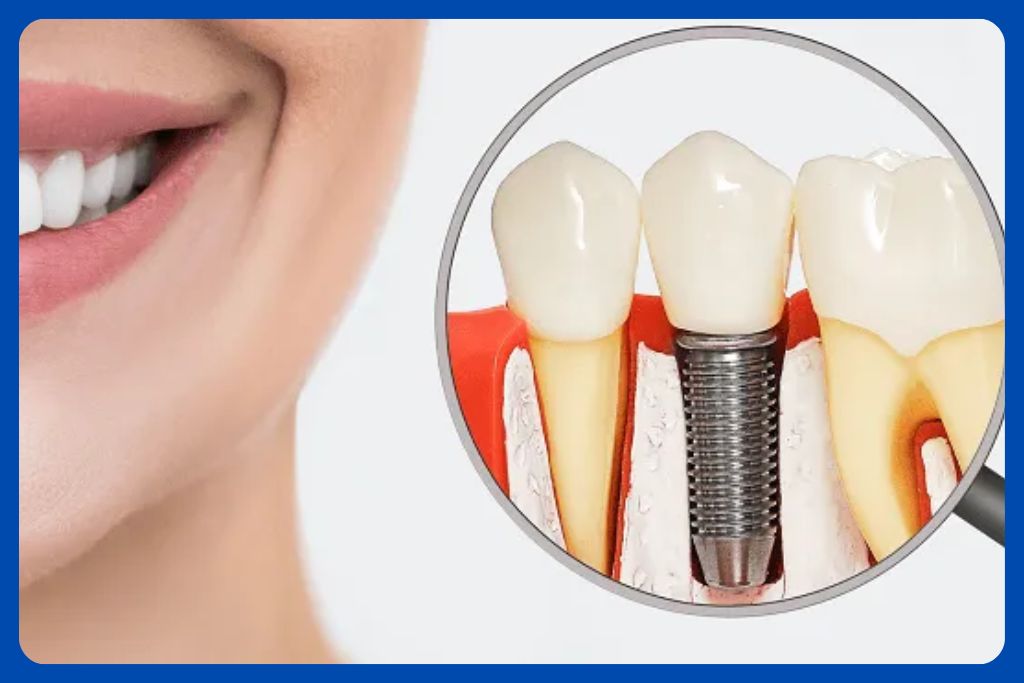
All-on-6 Dental Implants: Complete Recovery & Aftercare Guide
If you’re considering All-on-6 dental implants or have recently undergone the procedure, understanding the full recovery and aftercare process is crucial. All-on-6 implants provide a permanent, stable, and functional solution for missing or damaged teeth, giving patients a natural-looking, life-changing smile.
Proper post-surgery care not only supports faster healing but also ensures long-term implant success. By following structured recovery steps and recommended care, you can maintain the health of your implants, prevent complications, and enjoy a confident smile for years to come.
Who Is a Good Candidate for All-on-6 Implants?
Not everyone is suitable for All-on-6 implants. Ideal candidates generally:
- Have multiple missing teeth or severely damaged teeth.
- Possess sufficient jawbone density (or are open to bone grafting, a procedure that strengthens weak jawbone areas).
- Are non-smokers or willing to stop smoking during recovery.
- Are in good overall health without uncontrolled chronic conditions like diabetes.
If you’re in Dubai and considering dental implants, consulting the best implant dentist in Dubai, like Dr. Suhail Syed, ensures you receive a personalized treatment plan and the right guidance to see if All-on-6 implants are the perfect solution for your smile.
Understanding the All-on-6 Procedure
Overview of All-on-6 Implants
The All-on-6 procedure replaces an entire dental arch using six strategically placed titanium implants, providing better stability and chewing efficiency than All-on-4 implants, which use only four implants.
The additional implants create a stronger foundation for your prosthetic teeth, enhancing both function and aesthetics. All-on-6 reduces the need for removable dentures while supporting bone health and jaw structure.
Step-by-Step Procedure
Initial Consultation
Before surgery, a detailed dental evaluation is performed, including:
- CBCT scans (Cone Beam Computed Tomography): 3D imaging that shows jawbone structure.
- Digital imaging & intra-oral exams: Checks teeth, gums, and oral tissues.
This ensures precise implant placement and confirms your suitability for All-on-6 treatment.
Implant Placement
During surgery, titanium implants are carefully inserted into your jawbone. Titanium is used because it fuses naturally with bone, a process called osseointegration (the medical term for when implants integrate with your jawbone). This provides a strong and permanent foundation for your new teeth.
Immediate Temporary Prosthetics
Temporary teeth are often placed right after surgery. These:
- Restore function (you can eat and speak normally).
- Maintain a natural smile during the healing phase.
These provisional teeth allow you to continue daily activities while the implants integrate with your bone.
Healing Period
Over the next few weeks, the implants bond with the jawbone through osseointegration. Regular dental visits allow your dentist to monitor tissue healing, check implant stability, and adjust care if necessary.
Placement of Final Prosthetics
Once the implants are fully integrated, custom permanent prosthetic teeth are installed. This final stage ensures proper bite alignment, a comfortable fit, and a natural appearance. The result is a durable and aesthetically pleasing smile.
Note: The entire All-on-6 procedure typically takes 2–4 hours per arch, depending on individual needs.
Recovery Timeline for All-on-6 Implants
Initial Healing (Days 1–2)
Expect mild discomfort, swelling, and minor bleeding during the first 48 hours.
Tips:
- Use prescribed pain medications or over-the-counter pain relievers.
- Rest and sleep with your head slightly elevated to reduce swelling.
- Avoid touching or irritating the surgical area.
Swelling & Bruising (Days 3–5)
Swelling may peak during this period.
- Apply a cold compress for 15–20 minutes several times daily.
- Minor bruising is common but fades gradually.
- Warning signs: Seek dental care if swelling is severe, persistent, or accompanied by fever or excessive bleeding.
Soft Diet Phase (Days 6–10)
During this stage, it’s important to stick to nutrient-rich soft foods such as mashed vegetables, soft fruits, smoothies, soups, yogurt, and scrambled eggs, while avoiding hard, crunchy, sticky, or very hot foods. Understanding dietary restrictions after dental implant surgery helps ensure proper healing and protects the implants as they integrate with the jawbone.
Suture Removal (Days 10–14)
Non-resorbable sutures are typically removed around the second week. Your dentist evaluates healing and provides guidance to maintain healthy implant sites.
Implant Integration (Weeks 4–12)
During this critical phase:
- Implants fuse completely with your jawbone (osseointegration).
- Avoid hard foods or excessive pressure on implants.
- Attend all scheduled follow-ups to monitor progress and prevent complications.
Placement of Final Prosthetics (Weeks 12–16)
Permanent prosthetic teeth are installed. This restores full function and aesthetics, ensures proper bite alignment, and provides a comfortable, natural-looking smile.
Long-Term Recovery (Beyond 16 Weeks)
Ongoing care is essential for lasting implant success:
- Regular dental check-ups and professional cleanings.
- Maintain excellent oral hygiene.
- Avoid habits like biting nails, chewing ice, or using teeth as tools.
- Consider a night guard if you grind your teeth to protect implants.
Essential Aftercare Tips
Maintain Excellent Oral Hygiene
- Brush gently with a soft-bristled toothbrush
- Use non-alcoholic mouthwash
- Clean between teeth with interdental brushes or a water flosser
Follow Prescribed Medications
- Complete all antibiotics and anti-inflammatory drugs
- Take pain relievers as directed
Avoid Smoking and Alcohol
- Smoking slows healing and increases implant failure risk.
- Alcohol can irritate tissues and delay recovery.
Limit Physical Activity
- Avoid heavy exercise for the first few days
- Gradually reintroduce light activity
Stay Hydrated and Eat Nutritiously
- Drink plenty of water
- Focus on soft, protein-rich, vitamin-rich foods (Vitamins C & D support bone healing)
At-home care checklist:
- Brush gently twice daily
- Rinse with saline or non-alcoholic mouthwash
- Take all medications as prescribed
- Avoid smoking and alcohol
- Stick to a soft, nutrient-rich diet
- Monitor healing for unusual pain, swelling, or redness
Long-Term Care for All-on-6 Implants
Regular Dental Visits
- Monitor peri-implant health and detect issues early
- Professional cleanings prevent plaque buildup and gum disease
Avoid Excessive Force
- Don’t chew ice, hard candy, or non-food objects
- Avoid using teeth as tools
Maintain Oral Hygiene
- Brush and floss daily
- Use interdental brushes or water flossers for implants
- Protect your implants during sleep if you grind your teeth
Consistent long-term care ensures your implants remain functional, healthy, and aesthetically pleasing for years.
Conclusion
If you are looking for teeth implants in Al Barsha Dubai, Dr. Suhail Syed brings over 15 years of experience practicing at Dental Hub Clinic in Al Barsha, Dubai. Whether you need All-on-6 or All-on-4 implants, single implants, or more complex full-arch solutions, the clinic offers a comprehensive range of implant services to restore your smile with precision and care. Book your appointment today to transform your smile and regain confidence with high-quality dental implants.
Website: dentalimplantdubai.ae
Address: Dusseldorf Business Point, 201, Dental Hub Clinic – Al Barsha 1, Dubai, UAE