
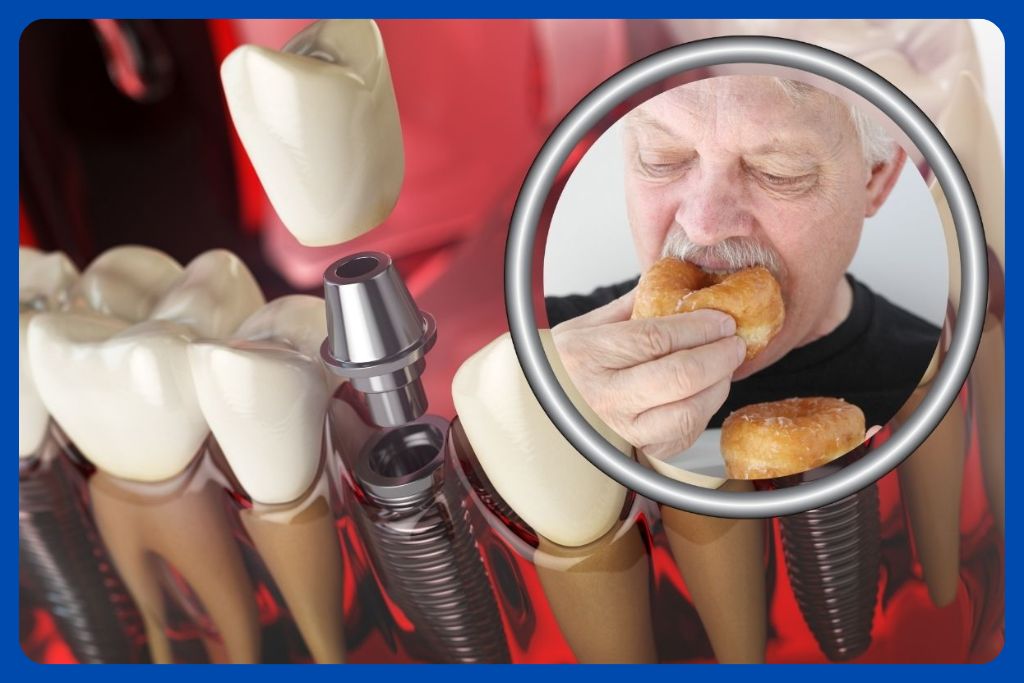
Dietary Restoration After Dental Implant Surgery: What to Eat and Avoid
Recovering from dental implant surgery is not only about healing your gums and jawbone—it’s also about what you eat. Proper nutrition supports tissue recovery, reduces inflammation, and promotes successful integration of the implant into the jawbone. Understanding dietary restrictions after dental implant surgery can make your healing process smoother and more effective.
Whether you’re on a soft diet or preparing for your permanent prosthetics, the right foods and eating habits are key to long-term implant success.
Immediate Post-Surgery Nutrition
In the first 24–48 hours after surgery, your diet plays a critical role in tissue healing:
- Stick to liquids and soft foods like broths, smoothies, yogurt, and protein shakes.
- Avoid hot beverages or spicy foods that can irritate the surgical area.
- Ensure adequate hydration to support healing and reduce swelling.
During this stage, it’s essential to follow your dentist’s guidance on oral hygiene and dietary precautions, which work hand-in-hand to promote recovery.
First Sensations and Eating Tips
After surgery, you may notice:
- Swelling and mild bleeding
- Jaw discomfort
- Numbness or tingling from local anesthesia
During this phase, gentle eating is key. Cut food into small pieces, chew slowly, and avoid hard, crunchy, or sticky items that can disturb the healing tissue. Soft, nutrient-rich foods support healing while minimizing stress on your jaw.
Soft Diet Phase (Days 3–7)
Once initial swelling and bleeding reduce, you can transition to a soft diet. Recommended options include:
- Mashed vegetables and soft fruits
- Smoothies and protein shakes
- Yogurt, soups, and scrambled eggs
Avoid: crunchy, hard, sticky, or very hot foods that can disrupt tissue repair. Following these dietary restrictions after dental implant surgery ensures your implants integrate properly and reduces the risk of complications.
Nutrient Guidelines for Healing
Certain nutrients are especially important during dental implant recovery:
- Protein: Supports tissue repair and bone health. Sources: eggs, yogurt, protein shakes, soft legumes.
- Vitamin C: Promotes gum healing and collagen formation. Sources: mashed fruits, smoothies.
- Calcium & Vitamin D: Strengthen bones and support implant integration. Sources: yogurt, fortified soft foods.
- Anti-inflammatory foods: Help reduce swelling. Sources: smoothies with berries, soft-cooked vegetables.
Maintaining a balanced diet with these nutrients accelerates recovery and ensures successful osseointegration.
Avoiding Foods That Hinder Recovery
Certain foods and habits can slow healing or damage your implants:
- Hard or crunchy foods like nuts, chips, or raw vegetables
- Sticky or chewy items like caramel or gum
- Alcohol and smoking, which interfere with tissue repair
- Using your teeth as tools (e.g., opening packages)
Sticking to these guidelines supports proper healing and protects your new dental implants.
Transitioning to Regular Foods
After the initial healing period (usually 2–4 weeks), you can gradually reintroduce firmer foods:
- Start with soft-cooked vegetables and tender proteins
- Slowly progress to foods that require light chewing
- Always monitor your jaw and gums for any discomfort
By following a stepwise dietary approach, your implants fuse securely with the jawbone, and your chewing function is fully restored.
Long-Term Dietary Considerations
Even after your implants are fully integrated, maintaining healthy eating habits protects your investment:
- Continue eating nutrient-rich foods to support bone and gum health
- Avoid excessive force or very hard foods that can damage prosthetics
- Stay hydrated and maintain good oral hygiene
A proper diet combined with routine dental care ensures your implants remain functional, strong, and aesthetically pleasing for years.
Conclusion
Dietary restoration after dental implant surgery is a crucial part of recovery. Following soft diet guidelines, adhering to dietary restrictions after dental implant surgery, and ensuring adequate nutrient intake support healing, implant integration, and long-term oral health.
For patients in Al Barsha, Dr. Suhail Syed at Dental Hub Clinic provides expert guidance on diet, nutrition, and overall post-surgery care to ensure a smooth recovery and successful dental implant outcome. With careful nutrition and professional supervision, you can enjoy a natural-looking, fully functional smile for years to come.
Website: dentalimplantdubai.ae
Address: Dusseldorf Business Point, 201, Dental Hub Clinic – Al Barsha 1, Dubai, UAE