
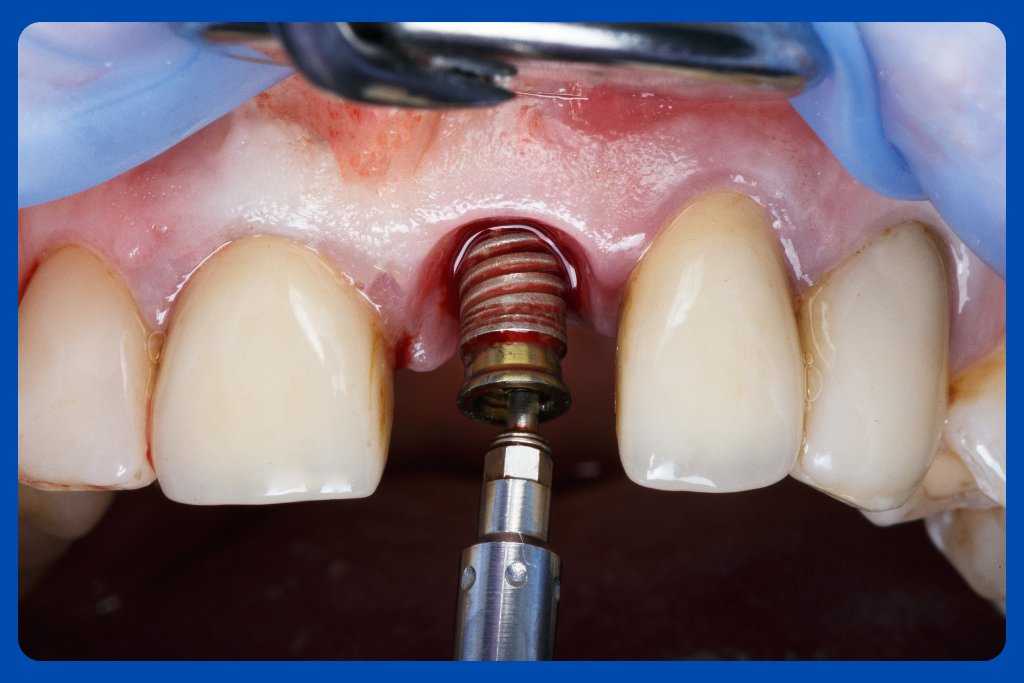
Why Do Dental Implants Fail? Causes, Warning Signs & How to Prevent It
Dental implants generally have high success and long-term survival rates, although outcomes can vary depending on the patient, implant location, treatment approach, and other clinical factors. Still, failure can happen, and when it does, it can mean pain, additional procedures, and unexpected cost.
Understanding why implants fail, how to spot the warning signs early, and what steps you can take to prevent it puts you in the best position for a long-lasting result.
This guide covers the early and late warning signs of implant failure, the biological, procedural, and material causes behind it, how to prevent it, and what your options are if it happens to you.
Signs and Symptoms of Implant Failure
Implant failure is generally grouped into two categories, and knowing the difference helps you understand what's normal and what needs attention.
Early failure generally occurs during the healing period, before successful osseointegration has been established. Late failure can occur after the implant has successfully integrated and been placed into function.
| Normal After Surgery | Cause for Concern |
|---|---|
| Mild soreness for a few days | Pain that worsens or throbs after the first week |
| Slight swelling that reduces daily | Swelling that persists or increases |
| Minor bleeding on day 1–2 | Ongoing bleeding or pus |
| Implant feels stable once healed | Implant feels loose or shifts |
| Gums settle into a natural color | Gums are red, receding, or inflamed around the implant |
If you notice persistent pain, a loose or mobile implant, ongoing swelling or infection, a burning sensation, difficulty chewing, a receding gum line, or a sudden allergic-type reaction, contact your dentist. These can be warning signs that something may need attention and shouldn't be ignored.
What Causes Dental Implant Failure?
Implant failure rarely comes down to a single cause — it's usually a combination of factors. Below, they're grouped into three categories: what's happening in the patient's biology, what happens during the procedure itself, and issues with the implant materials.
Biological and Patient-Related Factors
Peri-implantitis and infection. Peri-implant diseases can cause inflammation and damage to the tissues supporting an implant and may contribute to implant failure if they progress. The risk can be influenced by factors such as inadequate oral hygiene, smoking, and certain health conditions. If left unmanaged, it can contribute to progressive bone loss and, in severe cases, implant failure.
Failed osseointegration. For an implant to succeed, the implant needs to become securely integrated with the surrounding jawbone — a process called osseointegration that takes several weeks to months. If there isn't enough bone density, if the patient has a condition affecting bone healing, or if the implant site becomes contaminated during placement, osseointegration may not occur adequately, and the implant may fail to achieve the stability needed for successful treatment.
Insufficient bone density. Areas of the jaw with thin or weak bone may not be able to properly anchor an implant. This is often identified during pre-procedure imaging, and a bone graft or sinus lift may be recommended to improve the available bone support before implant placement.
Underlying health conditions. Diabetes can slow healing and increase infection risk. Osteoporosis has been linked to a modestly higher failure rate. Bruxism (teeth grinding) places repeated excess stress on the implant. Some medications may influence bone metabolism or implant outcomes, so patients should inform their dentist about all prescription and over-the-counter medications they take. The potential effect varies depending on the medication and the individual patient.
Smoking. Smoking restricts blood flow to the gums and bone, which slows healing and significantly raises the risk of infection and implant failure.
Procedural and Clinical Factors
Misalignment of the implant. Positioning the implant so it's properly surrounded by bone is one of the more technically demanding parts of the procedure. When it's off, the crown can look unnatural, the gum can recede, and metal can become visible at the gumline. Correcting a misaligned implant is difficult and can risk damage to surrounding bone and teeth — which is why accurate placement the first time matters.
Poorly taken impressions. An inaccurate impression or poorly fitting restoration can affect the fit and function of the final crown and may contribute to mechanical or biological complications. Careful restorative planning and verification are therefore important.
Overloading. Placing too much bite force on an implant — especially before it's fully integrated, or when it isn't aligned correctly with the opposing teeth — can cause it to loosen or fracture. This is why careful treatment planning is an important part of supporting long-term implant stability.
Nerve or tissue injury. Nerve injury is an uncommon but potentially serious complication of implant surgery, particularly when an implant is placed close to an important nerve. Symptoms may include numbness, tingling, altered sensation, or pain. Detailed imaging and treatment planning can help assess the position of important anatomical structures and reduce the risk of complications.
Material-Related Factors
Implant fracture or defect. Implant fracture or manufacturing defects are uncommon, but mechanical problems can occur and may affect implant stability or function.
Allergic or foreign-body reaction. Material-related reactions are uncommon, but a suspected reaction may require further clinical evaluation. Patients should inform their dentist about any known allergies or previous reactions to dental materials before treatment.
How to Prevent Dental Implant Failure
Prevention comes down to two things: what your dentist controls, and what you control.
Before treatment, your dentist should:
- Evaluate bone density and overall oral health with proper imaging
- Build a full treatment plan mapped to the final restoration, not just the surgical placement
- Use precise techniques for impressions, drilling speed, and implant loading
- Screen for allergies and health conditions that affect healing
After treatment, you can:
- Maintain consistent oral hygiene, including any interdental tools your dentist recommends
- Attend regular dental and implant maintenance appointments at the intervals recommended by your dentist
- Avoid smoking
- Manage underlying conditions like diabetes or bruxism
- Follow post-surgical care instructions closely
- Report any pain, swelling, or looseness early rather than waiting
What Happens If an Implant Fails?
Implant failure does not necessarily mean that further implant treatment is impossible. Diagnosis typically starts with an exam, X-rays, or a CT scan to assess the extent of bone or tissue involvement.
From there, treatment depends on the cause and severity:
- Inflammation or infection: Treatment depends on the cause and severity. Your dentist may recommend professional cleaning, improved home care, management of contributing factors, or other peri-implant treatments.
- Significant tissue or bone loss: Treatment may involve managing the infection, removing the implant when necessary, allowing the site to heal, and considering bone regeneration or replacement when appropriate.
- Suspected material-related reaction: Further evaluation may be needed to determine whether the implant material is contributing to the problem. In selected cases, an alternative implant material may be considered.
- Implant replacement: Replacement may be possible after the site has healed and been reassessed. Additional procedures, such as bone grafting, may be recommended if sufficient bone support is not available. For a closer look at how this process works and what to expect, see our guide on whether a failed dental implant can be replaced.
If implants aren't the right long-term fit for a patient, alternatives like a dental bridge or partial/flexible dentures are worth discussing with your dentist.
Frequently Asked Questions
Implant failure is relatively uncommon, although the risk varies depending on factors such as smoking, oral health, bone conditions, and individual treatment circumstances.
Not always. If there's been bone or tissue loss, the site typically needs to heal (and sometimes undergo a bone graft) before a new implant can be placed.
Problems can become apparent during the healing period or later after the implant has been restored and placed into function. Persistent pain, swelling, mobility, or other unusual symptoms should be evaluated by a dentist.
It can be. Persistent or worsening pain — especially after the first week — is one of the clearest signs something isn't right and should be checked promptly.
Identifying dental implant complications early allows them to be evaluated and managed appropriately. Understanding the warning signs, maintaining good oral hygiene, attending recommended maintenance appointments, and following your dentist's guidance can help support long-term implant health.
Conclusion
Dental implant failure can have several possible causes, from problems with osseointegration and insufficient bone support to infection, excessive bite forces, or complications affecting the surrounding tissues. Recognizing warning signs early and addressing contributing factors can help protect the health and function of an implant. If an implant does fail, the appropriate treatment depends on the cause and condition of the site, and further implant treatment may still be possible in some cases.
If you're in Dubai and have concerns about an existing implant — or you're considering dental implant care in Dubai — Dr. Suhail Syed is an Oral Implantologist with a double Fellowship in Oral Implantology from the Rajiv Gandhi University of Health Sciences (RGUHS) and the International Congress of Oral Implantologists (ICOI), along with a Surgical Mastership from ICOI. He currently practices at Dental Hub Clinic, offering personalized treatment tailored to each patient's needs. A professional assessment can help identify the cause of an implant problem and determine the most appropriate next steps for your individual situation.